










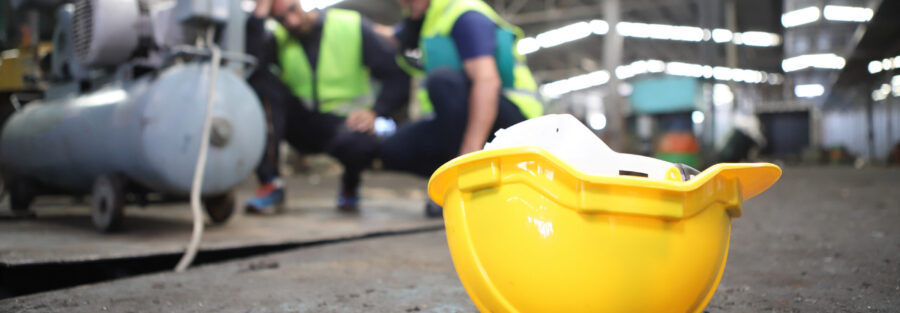
In 2024, total workplace fatalities in the United States fell to 5,070, the lowest number since 2020. In particular, the construction industry saw improved worker safety, with fewer total deaths. The U.S. Bureau of Labor Statistics (BLS) reported 41 fewer worker deaths in 2024 than in 2023—down to 1,034 from 1,075—representing a 4% decrease year over year.
On an occupational level, 1,032 deaths occurred among construction and extraction workers, while there were 788 fatalities among construction trades workers, a decline from 809 in 2023. Moreover, 2024 saw a slight decrease in the construction fatality rate, with a recorded 9.2 deaths per 100,000 full-time equivalent workers (down from 9.6 in the previous year). This is the lowest fatality rate in the industry since 2011.
Despite these improvements, construction still accounts for 20% of all occupational fatalities, making it one of the most hazardous industries. The fatality rate, which has hovered between nine and 10 deaths per 100,000 workers for more than a decade, indicates long-term stagnation in safety improvement.
Leading Causes of Fatalities
The BLS cited the following as the top causes of construction worker fatalities in 2024:
Slips, trips and falls: 389 deaths
Transportation incidents, including collisions and vehicle struck-by incidents: 244 deaths Exposure to harmful substances or environments: 187 deaths
Contact incidents, including struck-by incidents: 161 deaths
Workplace violence: 46 deaths
Fires and explosions: 5 deaths
Falls remain the leading safety concern on construction sites. Although fall-related deaths decreased from 421 in 2023 to 389 in 2024, they still accounted for over a third of deaths. In 2024, 10.8% of fatal falls, slips and trips were the result of a worker falling from a height of more than 30 feet.
Overall, the BLS data highlights that, even with notable progress, construction operations still face significant hazards that are critical to employee safety.
Risk Mitigation Strategies
Economic and demographic shifts contribute to employee safety across the construction industry. With increased demand for infrastructure, domestic manufacturing, data centers, housing and commercial development, construction operations are growing nationwide, creating more opportunities for jobsite injuries and deaths. In addition, the retirement of older employees and the entrance of new workers can elevate safety risks, as less experienced workers may be more vulnerable, and safety training and supervision may be insufficient.
Considering these trends, safety experts stress the importance of the following proactive strategies to improve safety among the construction workforce:
Strengthen fall protection systems and real-time compliance monitoring.
Enhance onboarding and skills training for new or inexperienced workers.
Implement clear stop-work authority policies that empower employees to stop unsafe tasks.
Foster a strong safety culture and leadership accountability at all levels.
Introduce programs that address common contributors to injuries and fatalities, including mental health, substance misuse and heat stress.
Continue to focus on mitigating vehicle and struck-by hazards as well as fall risks, top causes of death among construction workers.
Construction-related fatalities decreased in 2024, but the industry continues to face elevated safety risks. Progress in safety outcomes will require continuous investment in training, enforcement and proactive jobsite hazard management. Contact us for more information.
For additional risk management resources, contact INSURICA today.
This is not intended to be exhaustive nor should any discussion or opinions be construed as legal advice. Readers should contact legal counsel or an insurance professional for appropriate advice. ©2026 Zywave, Inc. All rights reserved